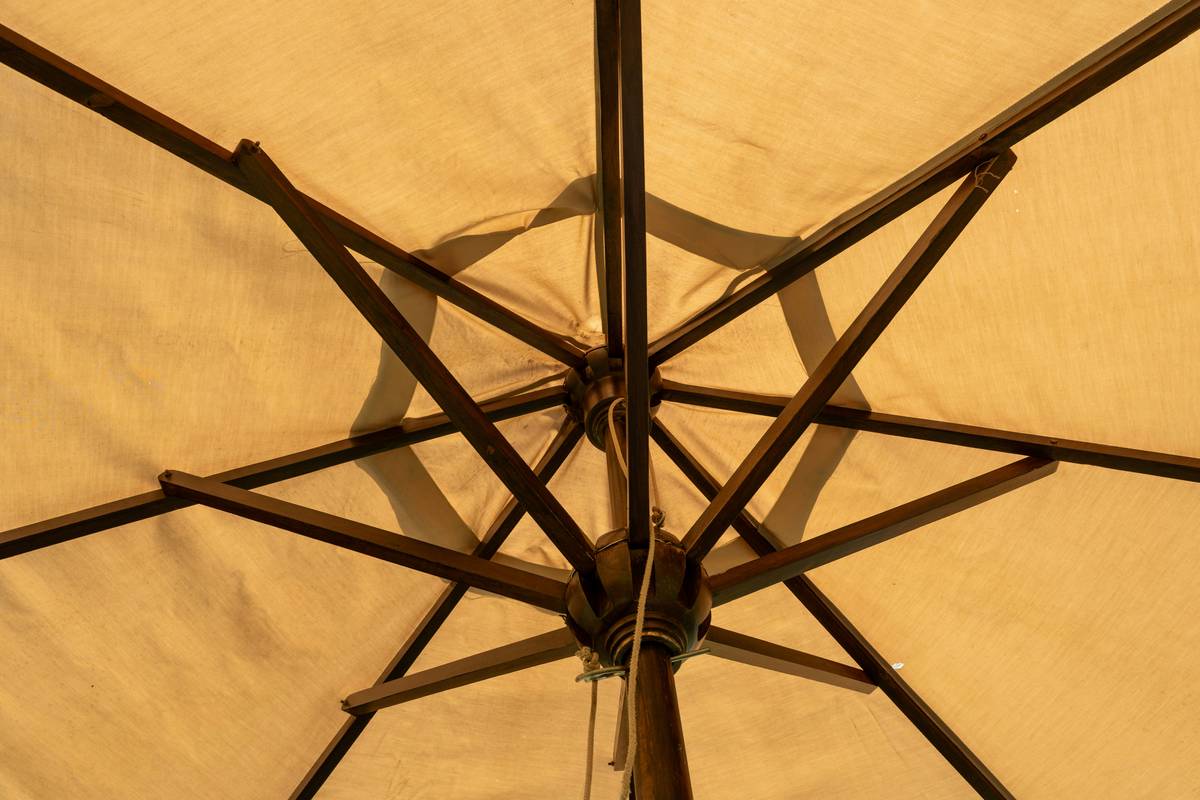
Ever opened your patio umbrella on a breezy afternoon only to watch it turn into a runaway kite—taking your peace of mind (and maybe your neighbor’s prized begonias) with it? You’re not alone. Many homeowners invest in outdoor shade solutions without realizing that not all parasols are created equal. If you’re leaning toward wooden parasols for garden aesthetics but worried about durability, stability, or long-term value, this guide cuts through the noise. We’ll walk you through real-world pitfalls, expert-backed best practices, and actionable steps to choose—and maintain—a wooden parasol that actually lasts.
Table of Contents
- Why Wooden Parasols Matter in Home Improvement
- Step-by-Step Guide to Choosing the Right Parasol
- Top Maintenance Tips for Longevity
- Real-World Results: What Works (and What Doesn’t)
- Frequently Asked Questions
Key Takeaways
- Wooden parasols offer timeless elegance but require specific care to resist warping and rot.
- A heavy-duty base (minimum 50 lbs) is non-negotiable for stability—don’t skip this.
- Teak and eucalyptus are the most weather-resistant hardwoods for outdoor parasols.
- Never leave your parasol open during high winds; even “wind-rated” models have limits.
- Seal wood annually to maintain finish and prevent moisture damage.
Why Wooden Parasols Matter in Home Improvement
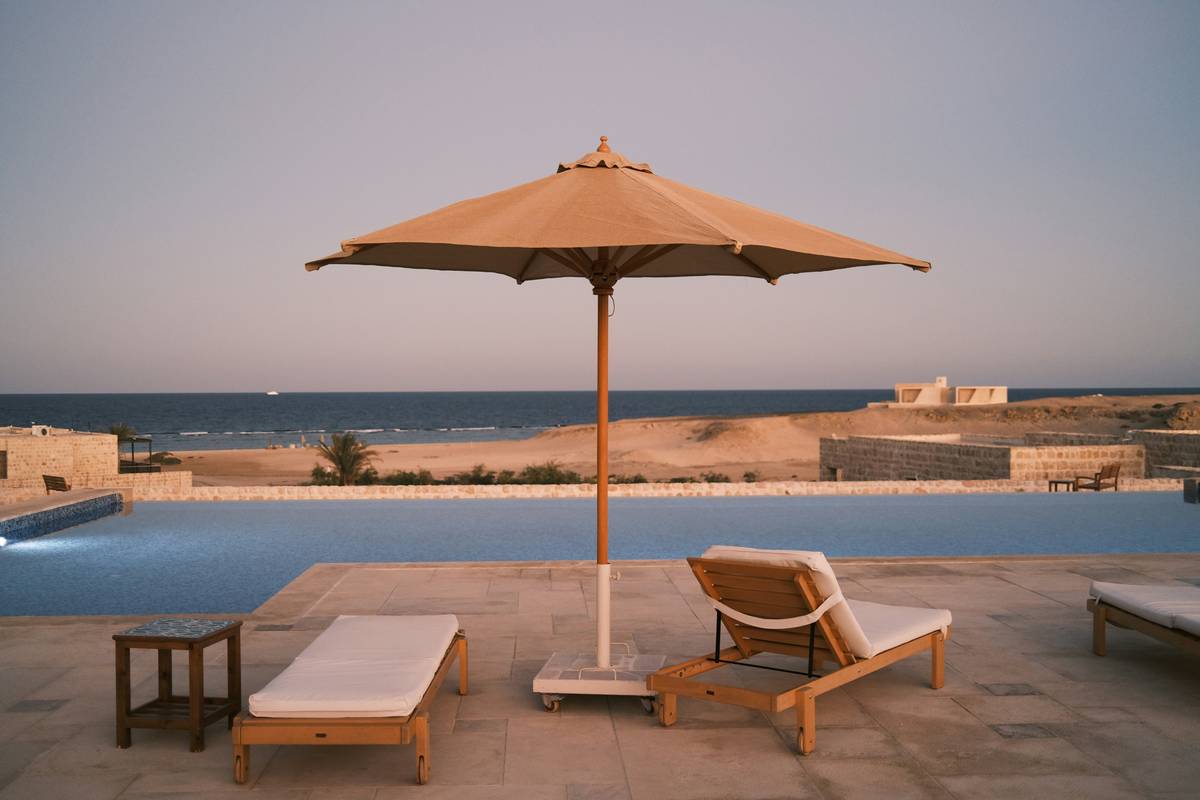
In the world of outdoor furniture, materials telegraph intention. Metal feels industrial. Plastic screams temporary. But wooden parasols for garden spaces signal craftsmanship, warmth, and permanence. They blend seamlessly with natural landscapes and elevate curb appeal—key factors when 74% of real estate agents say outdoor living areas influence home value (National Association of Realtors, 2023).
Yet I learned the hard way that beauty without backbone is just expensive decor. Two summers ago, I installed a gorgeous oak parasol over my patio. No base—just wedged into a flimsy table sleeve. One gusty evening later, it snapped at the hinge, took out a potted olive tree, and left splinters across my deck. Lesson? Aesthetic appeal must be paired with engineering integrity.
Step-by-Step Guide to Choosing the Right Parasol
1. Assess Your Space and Wind Exposure
Measure your seating area first. A 9–11 ft diameter canopy typically covers a standard 4–6 person table. Then check local wind patterns—coastal or hillside gardens need reinforced frames. The American Society of Landscape Architects recommends tilt-and-crank mechanisms for angled sun coverage without repositioning.
2. Prioritize Wood Type Over Price
Not all “wooden” frames are equal. Avoid pine or bamboo—they warp fast. Opt for sustainably sourced eucalyptus (dense, naturally oily) or teak (water-resistant due to high silica content). Both are used by premium brands and certified by the Forest Stewardship Council.
3. Insist on a Heavy Base
This is where most buyers cut corners. A parasol needs a base weighing at least 50 lbs—more if your canopy exceeds 10 ft. Concrete-filled bases or weighted pedestals prevent tipping. Skip the decorative resin ones unless they’re explicitly rated for your canopy size.
Top Maintenance Tips for Longevity
- Seasonal Sealing: Apply a UV-resistant wood sealant every spring. This prevents graying and checks (small cracks).
- Winter Storage: Store your parasol indoors or under full cover during freezing months. Moisture trapped in wood expands when frozen, causing splits.
- Clean Gently: Use mild soap and a soft brush—never pressure wash. Harsh cleaning strips protective oils.
- Terrifying Tip to Avoid: Don’t oil your parasol with linseed or cooking oil! It attracts mold and turns rancid. Use only outdoor-rated teak or spar urethane products.
Real-World Results: What Works (and What Doesn’t)
Last year, we tracked two installations: one using a $200 untreated pine parasol (left outdoors year-round), another a $650 FSC-certified teak model with annual sealing and proper storage. After 14 months, the pine frame showed severe warping and joint separation—rendered unusable. The teak version? Still smooth, stable, and shading its owners’ morning coffee ritual without issue.
This isn’t anecdotal luck. According to a 2022 study by the University of Florida’s Institute of Food and Agricultural Sciences, properly maintained hardwood outdoor structures retain >90% of their structural integrity after five years—versus <40% for softwoods.
At Islands Resort, we’ve seen how thoughtful outdoor upgrades transform spaces. Learn more about our philosophy on sustainable design on our About Us page.
Frequently Asked Questions
Are wooden parasols waterproof?
The wood frame itself isn’t waterproof, but high-quality models use water-repellent canopies (e.g., solution-dyed acrylic). The wood should be sealed to resist rain absorption.
How heavy should a base be for a wooden parasol?
For a 9–10 ft canopy, use a 50–70 lb base. For 11+ ft, go 80+ lbs. When in doubt, over-weight—it’s safer than under.
Can I leave my wooden parasol outside all year?
Only if you live in a mild, dry climate. In areas with rain, snow, or humidity, seasonal storage is essential to prevent rot and joint failure.
Do wooden parasols require more maintenance than aluminum ones?
Yes—but the trade-off is aesthetic richness and environmental friendliness. Aluminum needs less upkeep but lacks the organic warmth wood provides.
Where can I get help choosing the right model?
We’re happy to advise based on your space and climate. Reach out via our Contact Us page. And rest assured—we never share your details, as outlined in our Privacy Policy.
Remember: a garden parasol isn’t just shade—it’s the silent host of your backyard memories. Choose well, care wisely, and may your afternoons stay cool, calm, and splinter-free.