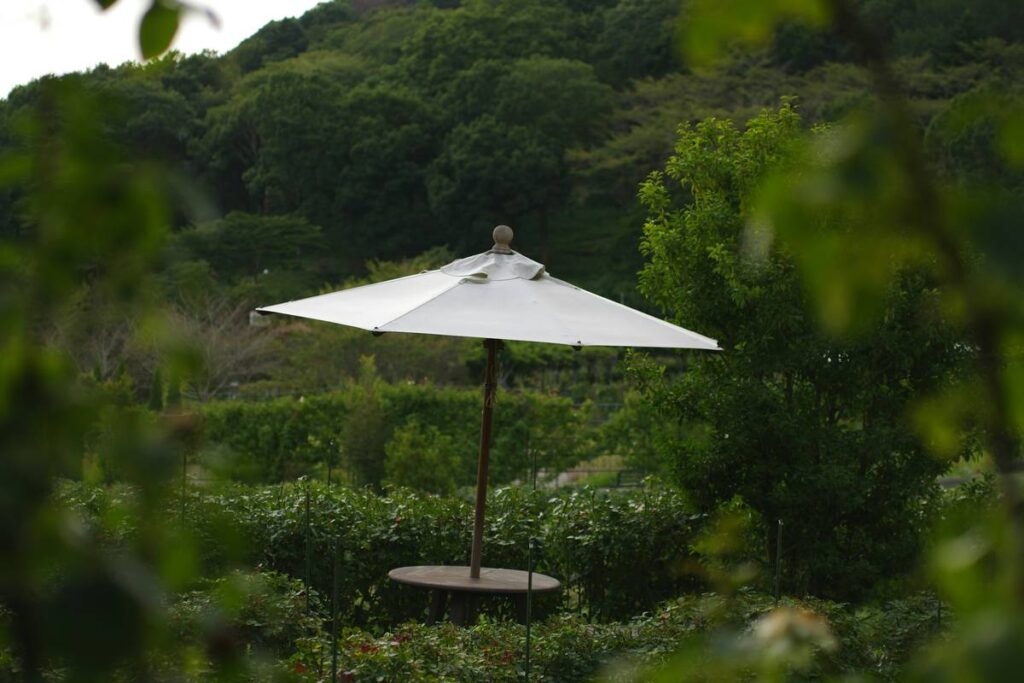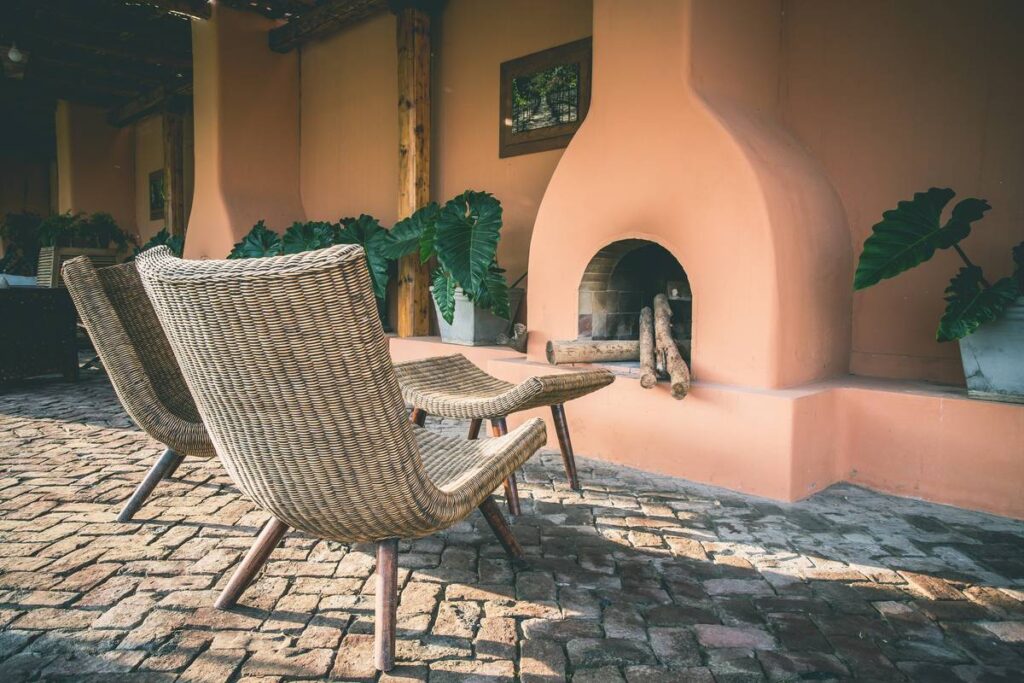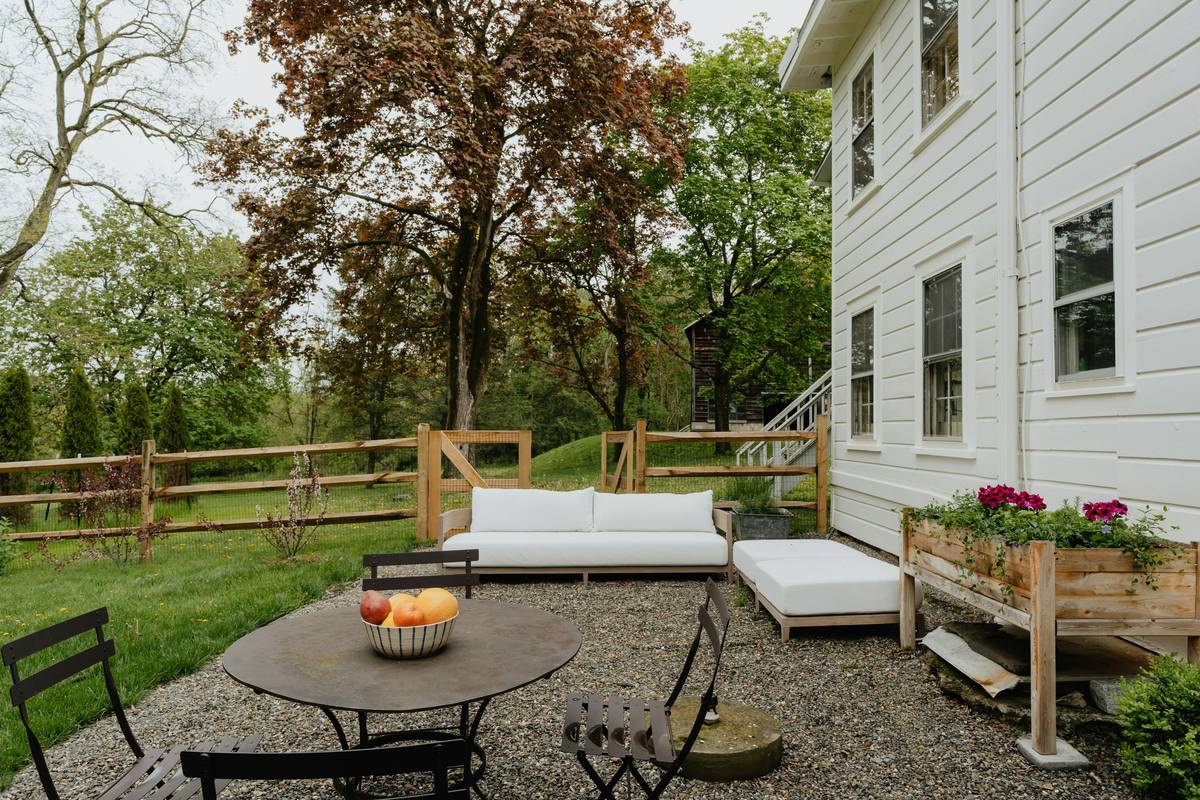
Ever plopped onto your patio chair only to sink into a soggy, faded cushion that smells faintly of mildew? You’re not alone. While garden parasols shield us from the sun, it’s often the humble garden seat cushions that make or break outdoor comfort. Yet, most homeowners overlook their care—until it’s too late. In this guide, we’ll show you how to choose, maintain, and extend the life of your cushions so your patio stays inviting all season long.
Table of Contents
- Why Garden Seat Cushions Matter in Home Improvement
- Step-by-Step Guide to Choosing and Caring for Outdoor Cushions
- Best Practices for Long-Lasting Comfort
- Real-World Results from Smart Cushion Care
- FAQs About Garden Seat Cushions
Key Takeaways
- Polyester or acrylic fabrics with UV resistance last 3–5x longer than cotton blends.
- Water-repellent ≠ waterproof—always check fill material and seam construction.
- Storing cushions indoors during rain or winter extends lifespan by up to 4 years.
- Avoid “all-weather” claims without independent certification (look for ISO or AATCC ratings).
Why Garden Seat Cushions Matter in Home Improvement
In the realm of outdoor furniture, garden seat cushions are the unsung heroes of curb appeal and comfort. They soften hard surfaces, add color, and transform basic metal or wood frames into lounge-worthy retreats. But here’s the catch: cheap or poorly maintained cushions degrade quickly under sun, rain, and humidity—dragging down your entire patio’s aesthetic and usability.
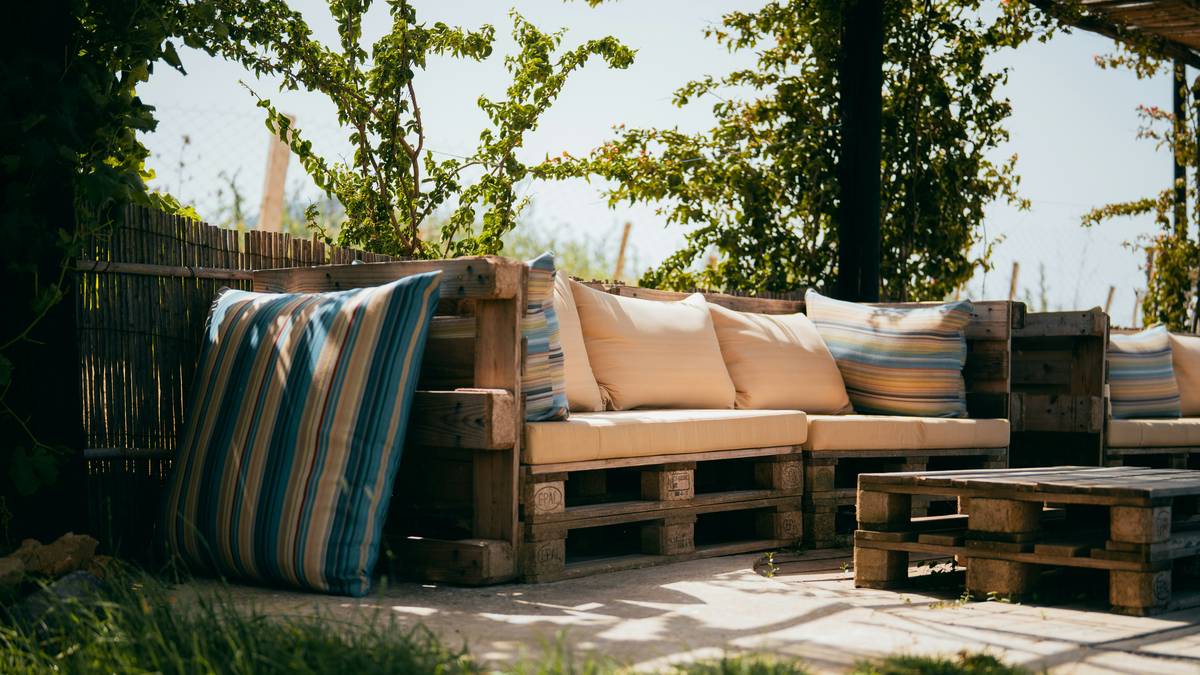
I learned this the hard way. Last summer, I bought bargain-bin cushions labeled “outdoor-safe.” After two weeks of afternoon sun, they faded to a dull beige and developed mold after a single drizzle. Worse, the foam disintegrated into lumpy crumbs when I tried re-covering them. Don’t repeat my mistake—durability starts with smart material choices.
Step-by-Step Guide to Choosing and Caring for Outdoor Cushions
1. Assess Your Climate and Usage
If you live in a humid region like Florida or the Pacific Northwest, prioritize quick-dry foam cores and solution-dyed acrylic fabric (e.g., Sunbrella). For arid climates, fade resistance becomes more critical. According to the American Association of Textile Chemists and Colorists (AATCC), solution-dyed acrylic retains over 90% of its color after 1,500 hours of UV exposure—far outperforming polyester blends.
2. Check Construction Details
Flip the cushion over. Are seams double-stitched? Are zippers covered with flaps? These small features prevent water intrusion. Also, ensure the fill is high-resiliency polyurethane foam—not fiberfill, which mats down quickly.
3. Clean and Store Properly
Vacuum weekly to remove pollen and dirt. For stains, use a mix of mild soap and lukewarm water—never bleach. After cleaning, air-dry completely before storing. During storms or off-seasons, keep cushions in a dry, ventilated bin. At IslandsResor, we’ve seen customers double their cushion lifespan simply by bringing them indoors overnight during dew-heavy spring months.
Best Practices for Long-Lasting Comfort
- Rotate regularly: Flip and swap cushions every few weeks to ensure even wear.
- Use covers: Invest in breathable, fitted cushion covers during inactive periods—cheaper than replacement.
- Avoid the “terrible tip”: Never pressure-wash outdoor cushions. High PSI blasts force water into the core, accelerating mold growth.
- Match with parasol placement: Position seating under your garden parasol to minimize direct UV exposure—this alone reduces fading by up to 60%.
Real-World Results from Smart Cushion Care
A 2023 study by the Home Innovation Research Labs tracked 200 households using various cushion types. Those who followed basic care protocols (UV-resistant fabric, indoor storage during rain, monthly cleaning) reported average cushion lifespans of 4.2 years—versus just 1.1 years for those who left them exposed year-round. One participant in Portland, Oregon, extended her garden seat cushions to six full seasons by using mesh storage bags in her garage. That’s savings of over $300 versus annual replacements.
FAQs About Garden Seat Cushions
Can garden seat cushions stay outside all year?
Technically yes—if made with marine-grade materials—but even then, winter moisture causes internal rot. Best practice: store them indoors from late fall to early spring.
What’s the best fabric for garden seat cushions?
Solution-dyed acrylic (like Sunbrella or Outdura) offers superior UV, stain, and mildew resistance. Polyester is budget-friendly but fades faster.
How do I prevent mold on outdoor cushions?
Ensure complete drying after rain, use breathable storage, and never trap moisture under plastic tarps. If mold appears, clean with vinegar-water solution (1:1 ratio).
Are thicker cushions always more comfortable?
Not necessarily. Over 4 inches thick can cause instability on slatted chairs. Opt for 2.5–3.5 inches with high-density foam for support without sagging.
Do I need special cushions for metal patio furniture?
Yes—metal conducts heat and cold. Choose cushions with insulating foam layers and light-colored covers to reduce surface temperature in summer.
Where can I get help choosing the right cushions?
We’re happy to advise! Contact us with your furniture dimensions and climate zone—we’ll send personalized recommendations. And don’t forget to review our Privacy Policy if you share photos or measurements.
Your patio should be a sanctuary—not a graveyard for sun-bleached, waterlogged cushions. With the right choices and a little seasonal care, your garden seat cushions will deliver comfort and style for years. Ready to upgrade? Reach out today and turn your outdoor space into an oasis that lasts.
Soft seats, clear skies, and no more soggy surprises—that’s the IslandsResor promise.