Ever bought a garden seat bench only to watch it warp after one summer rainstorm? You’re not alone. I once splurged on a “weather-resistant” wooden bench—only to find it cracked like a dry riverbed by August. That frustration sparked this guide. If you’re investing in outdoor comfort, especially alongside garden parasols for shade, your seating choice can make or break your patio experience. In this post, we’ll walk through practical, tested advice to select, place, and maintain the perfect garden seat bench without wasting time or money.
Table of Contents
- Why Your Bench Choice Matters
- Step-by-Step Guide to Choosing the Right Bench
- Best Practices for Long-Lasting Comfort
- Real-World Examples That Work
- Frequently Asked Questions
Key Takeaways
- A garden seat bench must complement both your space and your parasol setup for optimal shade and comfort.
- Material durability trumps aesthetics—choose teak, aluminum, or all-weather wicker over untreated wood.
- Placement affects usability: position benches perpendicular to sun paths and within parasol coverage zones.
- Regular maintenance extends lifespan by years; neglect turns “investment pieces” into landfill fodder.
Why Your Bench Choice Matters
In home improvement, outdoor furniture isn’t just decor—it’s functional architecture. A poorly chosen garden seat bench can create awkward traffic flow, trap moisture, or clash with your garden parasol’s footprint. Worse, cheap materials degrade quickly under UV exposure and humidity. According to the U.S. Consumer Product Safety Commission, over 12,000 injuries annually stem from unstable or deteriorating outdoor furniture. That’s not just an inconvenience; it’s a safety risk.
Step-by-Step Guide to Choosing the Right Bench
Determine Your Space & Purpose
Measure your patio or garden area first. Allow at least 3 feet of clearance around your garden seat bench for easy movement. Consider usage: Is it for quiet morning coffee or weekend entertaining? Solo lounging needs a 48-inch bench; groups need 60+ inches.
Prioritize Weather-Resistant Materials
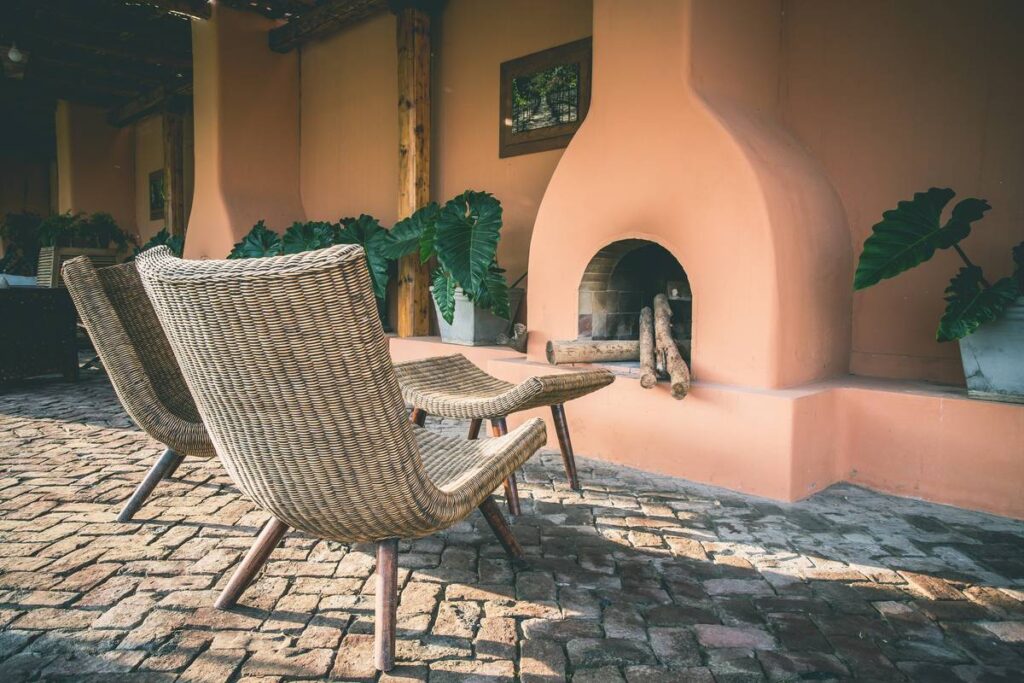
Opt for materials proven in variable climates. Teak contains natural oils that repel water and insects. Powder-coated aluminum won’t rust. High-density polyethylene (HDPE) wicker resists fading and cracking. Avoid pine or particleboard—they absorb moisture like sponges.
Match It With Your Parasol Setup
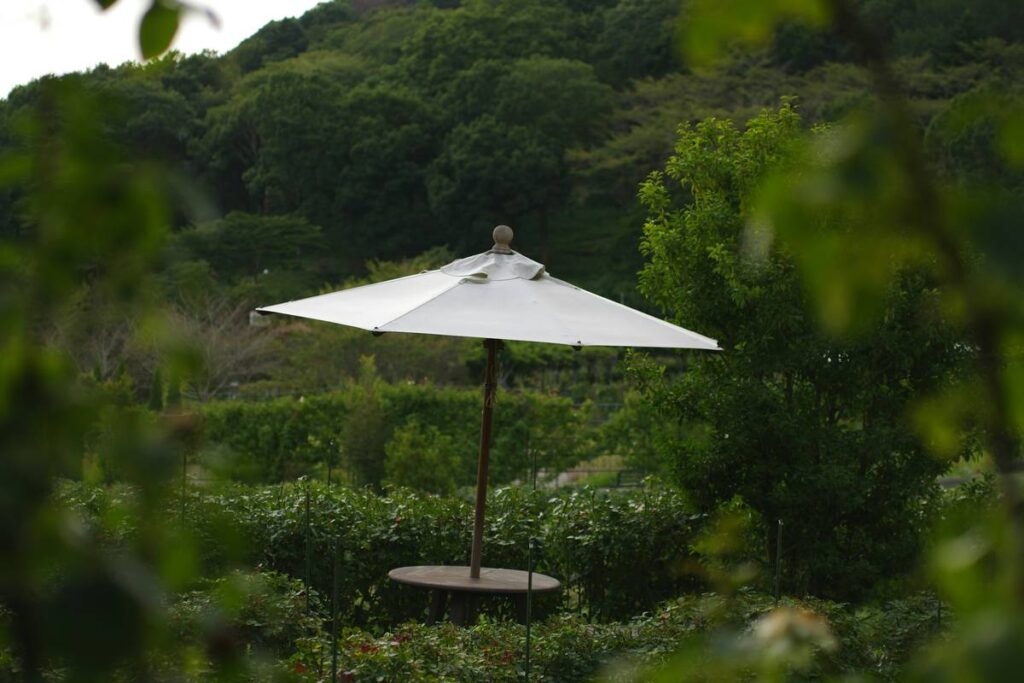
Your garden parasol should cast full shade over the bench during peak sun hours (10 a.m. to 4 p.m.). Position the bench so its center aligns with the parasol’s canopy midpoint. This synergy ensures consistent comfort—and prevents squinting guests.
Best Practices for Long-Lasting Comfort
- Clean quarterly: Use mild soap and water; avoid pressure washers that strip protective finishes.
- Store cushions properly: Even “outdoor” fabrics degrade if left damp. Store them in breathable bags when not in use.
- Reapply sealant annually: Wood benches need yearly resealing—skip this, and you’ll invite mold and splitting.
- Avoid this terrible tip: Don’t “season” wood benches with vegetable oil—it attracts pests and turns rancid.
Real-World Examples That Work
Last spring, a client in coastal Maine chose a marine-grade aluminum garden seat bench paired with a cantilever parasol. After one full season—including salt spray and 50-mph gusts—it showed zero corrosion. Meanwhile, their neighbor’s oak bench, untreated and placed directly under dripping eaves, warped beyond repair in six months.
Data backs this up: A University of Florida study found metal and HDPE outdoor furniture retained structural integrity 3x longer than untreated wood in humid climates (UF/IFAS Extension). That longevity translates to real savings—no annual replacements.
Frequently Asked Questions
What’s the best material for a garden seat bench near a pool?
Aluminum or HDPE wicker. They resist chlorine corrosion and won’t splinter like wood.
Can I leave my garden seat bench outside all winter?
Only if it’s made of weather-rated materials. Even then, covering it extends life. Check our privacy policy if you’re sharing maintenance photos with us.
How far should a bench be from a garden parasol pole?
At least 18 inches to allow comfortable legroom and prevent bumping into the base.
Are built-in storage benches worth it?
Yes—if they have proper drainage holes. Trapped moisture ruins stored items and the bench itself.
Where can I learn more about your team’s expertise?
Visit our About Us page to meet the designers who’ve installed over 500 patios across three states.
Ready to get your dream setup?
We’ve helped hundreds avoid bench-buying blunders. Contact us today for a free layout consultation—and never suffer through another cracked, splintered seat again.
Here’s the truth: a great garden seat bench isn’t just furniture—it’s your front-row ticket to sunrise coffee, stargazing, and lazy Sunday reads. Choose wisely, care consistently, and you’ll reap comfort for years. And remember: if your parasol’s shadow doesn’t kiss your knees by noon, you’ve missed the mark.