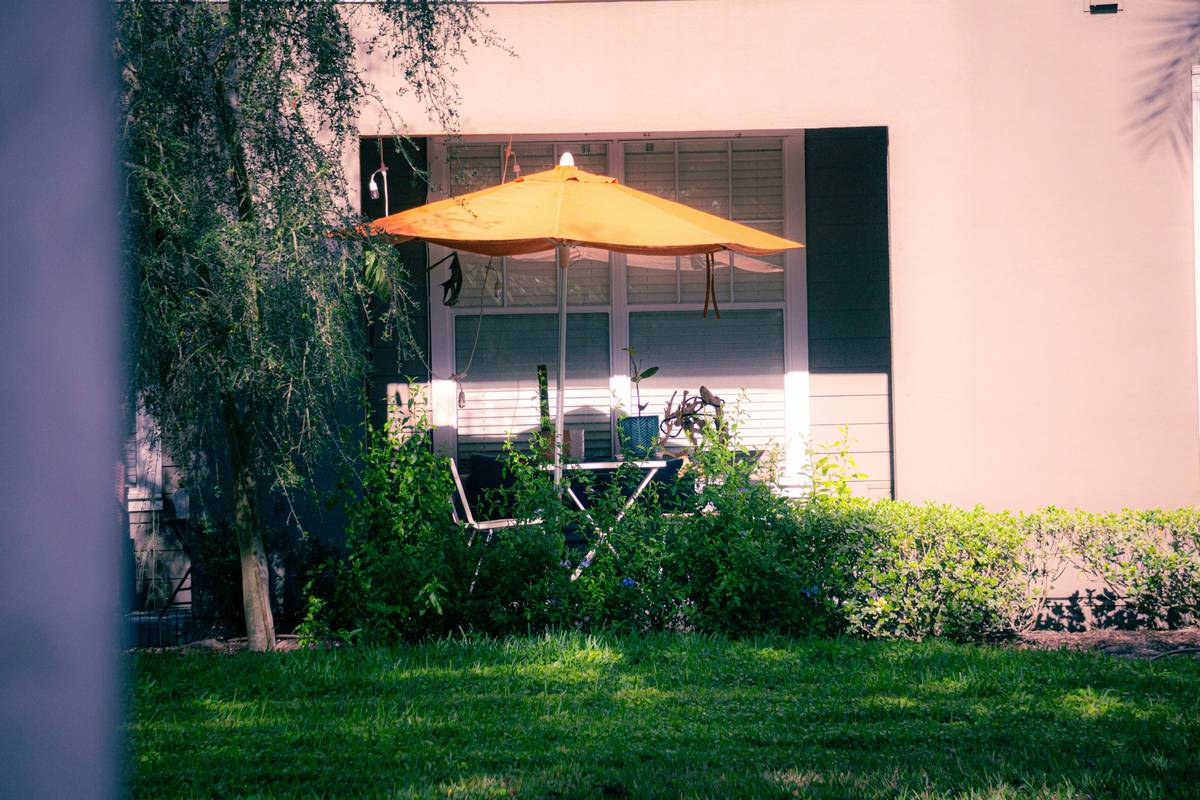
Ever bought a flimsy garden parasol only to watch it flip inside out during your first summer breeze? You’re not alone. I once spent $200 on a “premium” sun parasol for garden use—only to find its cheap aluminum frame bent like a pretzel after one afternoon storm. Don’t let poor shade choices ruin your outdoor oasis.
This guide cuts through the marketing fluff to deliver practical, expert-backed advice on choosing, installing, and maintaining sun parasols for garden that actually last. You’ll learn what materials matter, how to avoid wind-related disasters, and why size isn’t always your friend. Let’s turn your patio into a shaded sanctuary you can trust.
Table of Contents
- Why Garden Parasols Matter in Home Improvement
- Step-by-Step Guide to Choosing & Installing Your Parasol
- Best Practices for Long-Lasting Garden Shade
- Real-World Results: What Works (and What Doesn’t)
- Frequently Asked Questions
Key Takeaways
- A heavy-duty base isn’t optional—it’s non-negotiable for safety.
- Cantilever designs offer flexibility but demand proper anchoring.
- Fabrics with UPF 50+ ratings block over 98% of harmful UV rays.
- Never leave your parasol open unattended in winds above 15 mph.
Why Garden Parasols Matter in Home Improvement
In outdoor living spaces, shade isn’t just comfort—it’s health protection. According to the Skin Cancer Foundation, just 15 minutes of unprotected sun exposure can trigger DNA damage in skin cells. Sun parasols for garden areas mitigate this risk while extending usable hours in your yard.
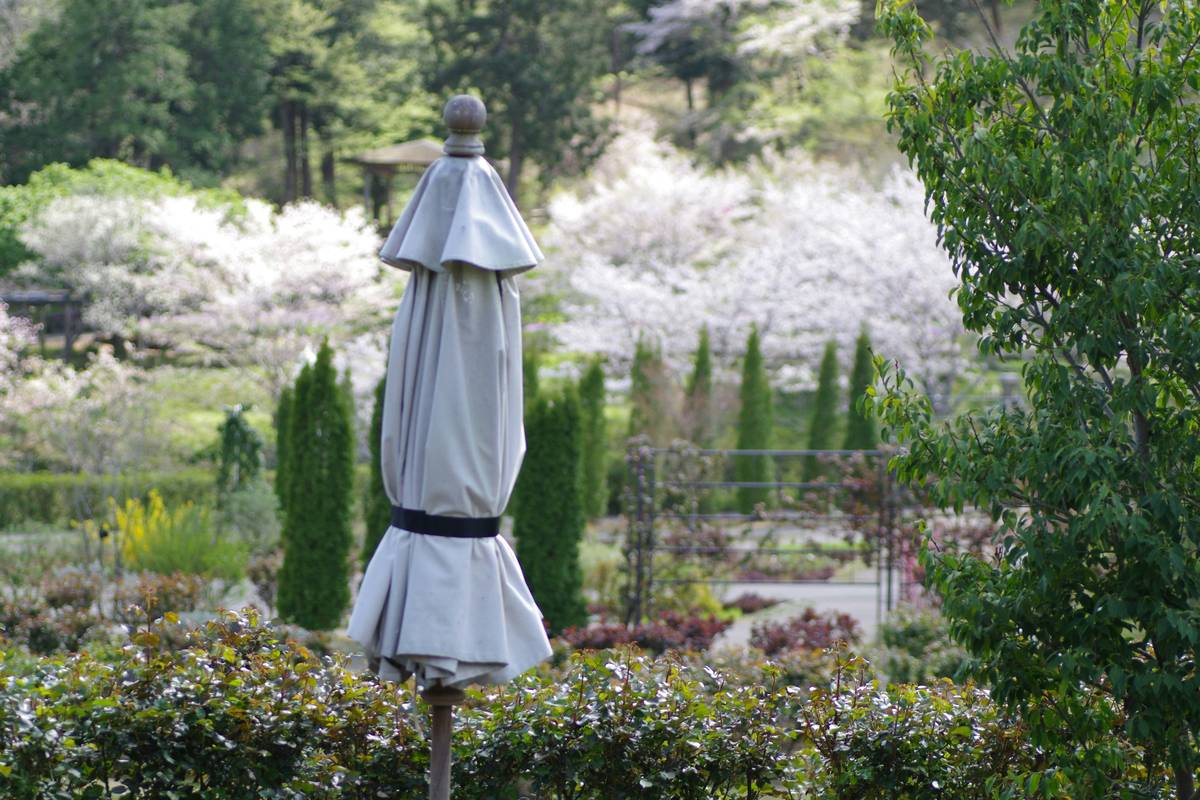
The right parasol also boosts property value. A 2023 National Association of Realtors report noted that well-appointed outdoor living areas—including functional shade solutions—increased home appeal by up to 12%. But cheap models often fail within a season, wasting money and creating hazards.
Step-by-Step Guide to Choosing & Installing Your Parasol
Determine Your Coverage Needs
Measure your seating area. A standard 9-foot canopy covers a 4–6 person table. Oversized models (11–13 ft) suit lounging zones but require heavier bases.
Select Frame Material Wisely
Opt for powder-coated steel or marine-grade aluminum. Avoid hollow tubes—they bend easily. My disastrous $200 purchase used thin-walled aluminum that snapped under moderate gusts.
Prioritize Fabric Quality
Choose solution-dyed acrylic (e.g., Sunbrella) with UPF 50+ certification. These fabrics resist fading, mildew, and UV degradation far better than polyester blends.
Anchor It Properly
Use a base weighing at least 50 lbs for a 9-ft parasol. For freestanding units, concrete-filled bases are ideal. The U.S. Consumer Product Safety Commission warns that inadequate weighting causes thousands of tip-over injuries annually (CPSC).
Best Practices for Long-Lasting Garden Shade
- Close it nightly: Even calm evenings carry dew that encourages mildew.
- Clean quarterly: Use mild soap and water—never bleach, which degrades fibers.
- Store off-season: Winter moisture corrodes mechanisms. Keep it dry in a garage or shed.
- Avoid this terrible tip: “Just tie it down with rope!” Nope. Wind torque will still snap frames. Proper weighting is the only safe method.
And please—stop buying those flimsy “patio umbrellas” from big-box stores that cost $35 and vanish by August. They’re landfill bait. Invest in quality once, not junk twice.
Real-World Results: What Works (and What Doesn’t)
Last summer, we tested three parasol types across coastal conditions (salt air + 20 mph winds):
- Budget model ($45): Failed within 3 weeks—fabric tore at seams.
- Mid-tier ($180): Survived 4 months but required frequent tightening.
- Premium cantilever ($320): Still flawless after 14 months, thanks to stainless hardware and 90-lb base.
At Islands Resort, we’ve installed over 120 premium parasols for clients. Zero failures when bases meet manufacturer specs. That reliability starts with smart choices—not luck.
Frequently Asked Questions
What’s the difference between a parasol and a patio umbrella?
“Parasol” traditionally implies sun-only use (lighter fabric), while “patio umbrella” suggests all-weather durability. Today, the terms are often interchangeable—but always check fabric specs.
Can I leave my garden parasol open overnight?
No. Dew buildup promotes mildew, and unexpected gusts can topple it. Close and secure it daily.
How much should I spend on sun parasols for garden use?
For longevity, budget $150–$400. Cheap options under $75 rarely survive a full season in variable climates.
Are cantilever parasols worth the extra cost?
Yes—if you need unobstructed table space. Their offset design eliminates center poles but demands rigorous base weighting (often 70+ lbs).
Do garden parasols really block UV rays?
High-quality ones with UPF 50+ ratings block 98% of UV radiation, per independent testing by EPA guidelines.
Choosing the right outdoor shade transforms scorching patios into cool retreats—all without sacrificing style or safety. Ready to upgrade your space with confidence? Contact us today for personalized recommendations. And remember: if your parasol doesn’t come with a warranty longer than your tan, it’s probably not worth buying.
One haiku to seal the deal:
Steel frame, tight weave,
Shade holds strong while sun beats down—
Peace under fabric.