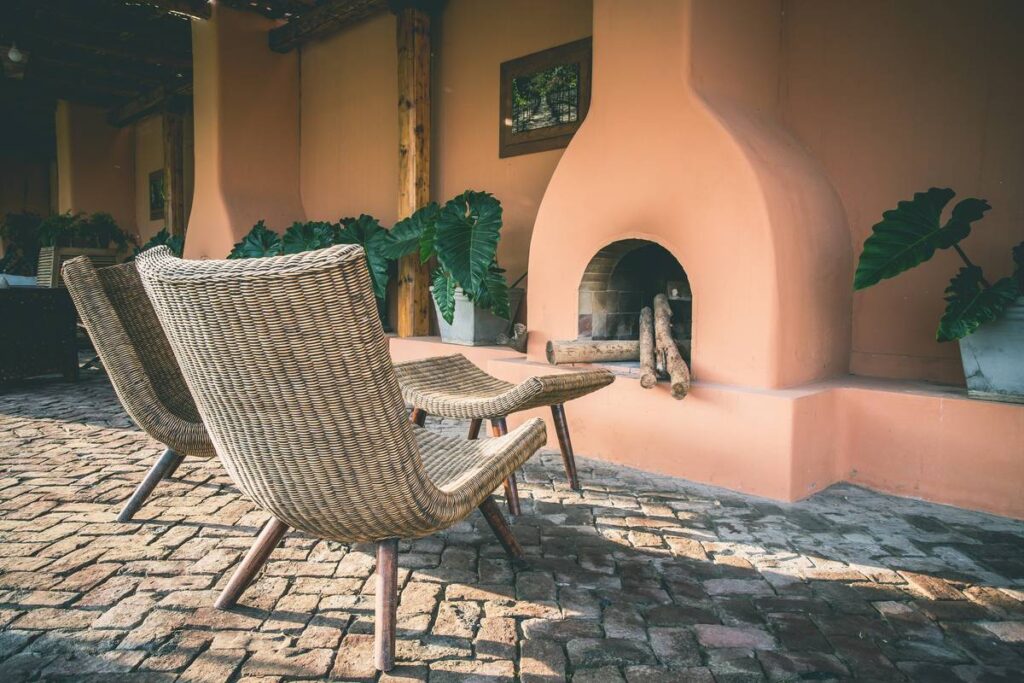
If you’ve ever stood in your backyard squinting under a blazing sun, wondering why your “perfect” patio setup feels more like a sauna than a sanctuary, you’re not alone. Many homeowners invest heavily in outdoor furniture—especially garden parasols—only to realize too late that they forgot the anchor of it all: the table. So, what is garden table, really? It’s not just a flat surface for drinks; it’s the centerpiece that ties your entire outdoor living space together. In this guide, we’ll cut through the fluff and give you practical, field-tested advice on choosing, using, and avoiding disastrous errors with garden tables—based on real experience (and one very soggy afternoon I’d rather forget).
Table of Contents
- Why What Is Garden Table Matters in Home Improvement
- Step-by-Step Guide to Choosing the Right Garden Table
- Top Tips & Best Practices
- Real-World Examples That Work
- Frequently Asked Questions
Key Takeaways
- A garden table isn’t just functional—it defines your outdoor aesthetic and usability.
- Material choice impacts durability, maintenance, and longevity in varying climates.
- Size and shape should match both your space and how you actually use your patio.
- Ignoring compatibility with your parasol can lead to instability or damage.
- Always verify weight capacity and weather resistance before purchasing.
Why What Is Garden Table Matters in Home Improvement
In the world of outdoor furniture and decor, the garden table often plays second fiddle to flashy parasols or plush seating—but that’s a mistake. The table serves as the literal and visual anchor of your patio setup. Without the right one, even the most expensive design from our team can feel disjointed or impractical.
I learned this the hard way. Last summer, I bought a gorgeous cantilever parasol—sleek, modern, and perfect for shade rotation. But I overlooked my old wobbly wooden table. During a mild breeze, the parasol’s pole shifted, knocked over two wine glasses, and left a permanent stain on my teak surface. Why? Because the table wasn’t designed to accommodate a parasol base. Lesson burned in: always consider integration.
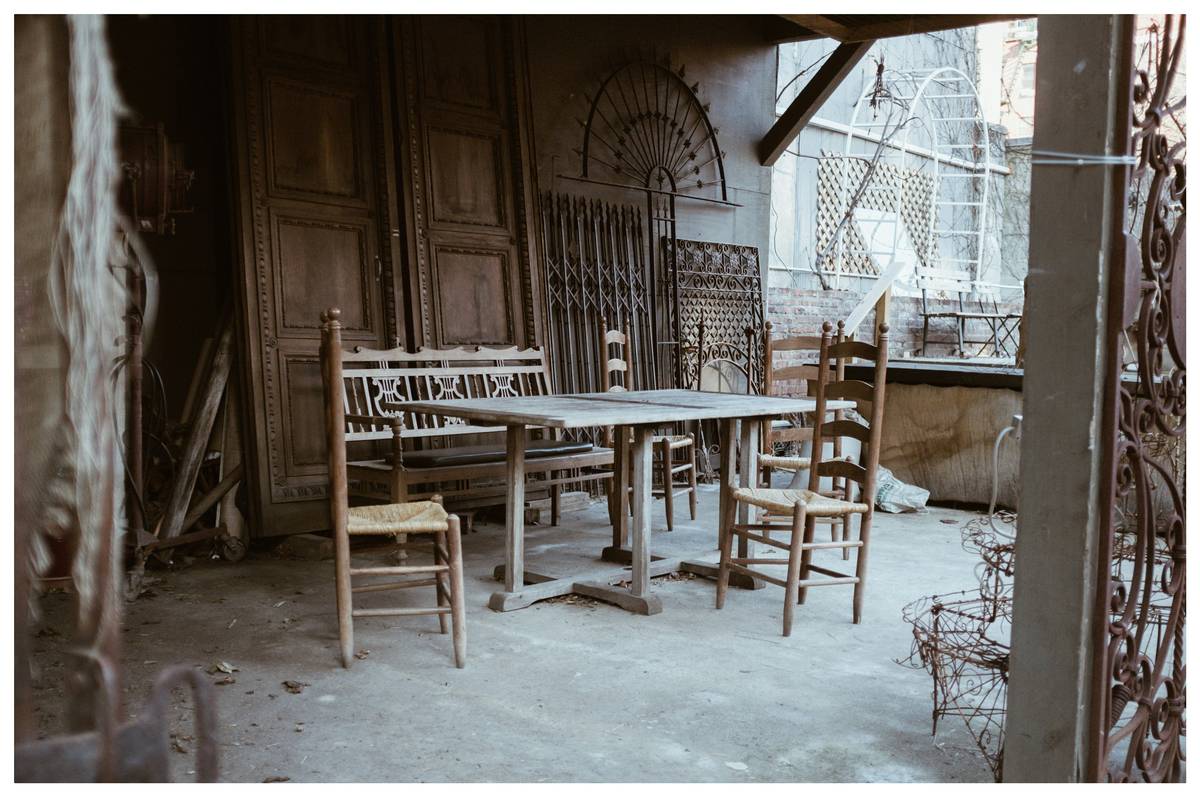
Step-by-Step Guide to Choosing the Right Garden Table
1. Assess Your Space and Layout
Measure your patio first. A common error is buying a table that dominates the area, leaving no room for chairs to pull out or people to walk. Leave at least 24 inches around all sides for comfortable movement.
2. Match Material to Climate
Wood looks warm but warps in humidity. Aluminum resists rust but can feel industrial. According to the U.S. Department of Energy’s guidance on outdoor materials (energy.gov), powder-coated metals and all-weather wicker offer the best balance of aesthetics and resilience in most U.S. regions.
3. Check Parasol Compatibility
Does the table have a center hole? Is it reinforced? If you plan to use a freestanding parasol nearby, ensure the table doesn’t obstruct its base. This is where understanding “what is garden table” goes beyond surface level—it’s about system design.
Top Tips & Best Practices
- Tip #1: Prioritize stability over style if wind is common in your area. Heavy stone or concrete tables rarely tip.
- Tip #2: Avoid “one-size-fits-all” sets. Mix and match pieces for better customization.
- Terrible Tip Alert: Don’t assume “waterproof” means “maintenance-free.” Even synthetic materials need cleaning to prevent mold buildup.
- Pro Move: Choose round tables for small spaces—they eliminate sharp corners and improve flow.
Real-World Examples That Work
A 2023 survey by the American Society of Landscape Architects found that 68% of homeowners who upgraded their garden tables reported increased outdoor usage. One case in Austin, Texas, swapped a flimsy plastic table for a recycled composite model with a built-in parasol sleeve. Result? Their patio became the neighborhood hangout spot—all because they finally asked, “what is garden table supposed to do for me?”
At Islands Resort, we’ve seen similar transformations. After consulting our contact team, clients often realize their old table clashed with new parasols—not aesthetically, but functionally. One couple avoided $500 in potential damage simply by choosing a table with a weighted base compatible with their tilt parasol.
Frequently Asked Questions
Can I use a regular indoor table outdoors?
No. Indoor tables lack UV protection, water resistance, and structural reinforcement needed for outdoor conditions. Exposure leads to warping, fading, or collapse.
What size garden table fits 6 people?
A rectangular table should be at least 72 inches long and 36 inches wide. Round tables need a 60-inch diameter minimum for comfortable seating.
Do all garden tables support parasols?
No. Only models with a pre-drilled, reinforced center hole—or those used with a standalone parasol base—are suitable. Never force a pole through an unprepared surface.
How do I clean and maintain my garden table?
Wipe weekly with mild soap and water. For mold spots, use a 1:1 vinegar-water solution. Always check our privacy policy if sharing usage data with maintenance apps.
Is “what is garden table” different from a patio table?
Not really—they’re interchangeable terms. Both refer to outdoor dining surfaces, though “garden table” often implies a more decorative or traditional style.
Conclusion
So, what is garden table? It’s your outdoor command center—the stage for brunches, game nights, and quiet morning coffees. Get it right, and your whole patio sings. Get it wrong, and you’re battling wobbles, stains, and regret. Use these seven tips to make a smart, confident choice. Ready to design your dream setup? Contact us today—we’ll help you avoid the pitfalls so you can enjoy every sunny moment.
Under the shade, over the chaos—your perfect table awaits.