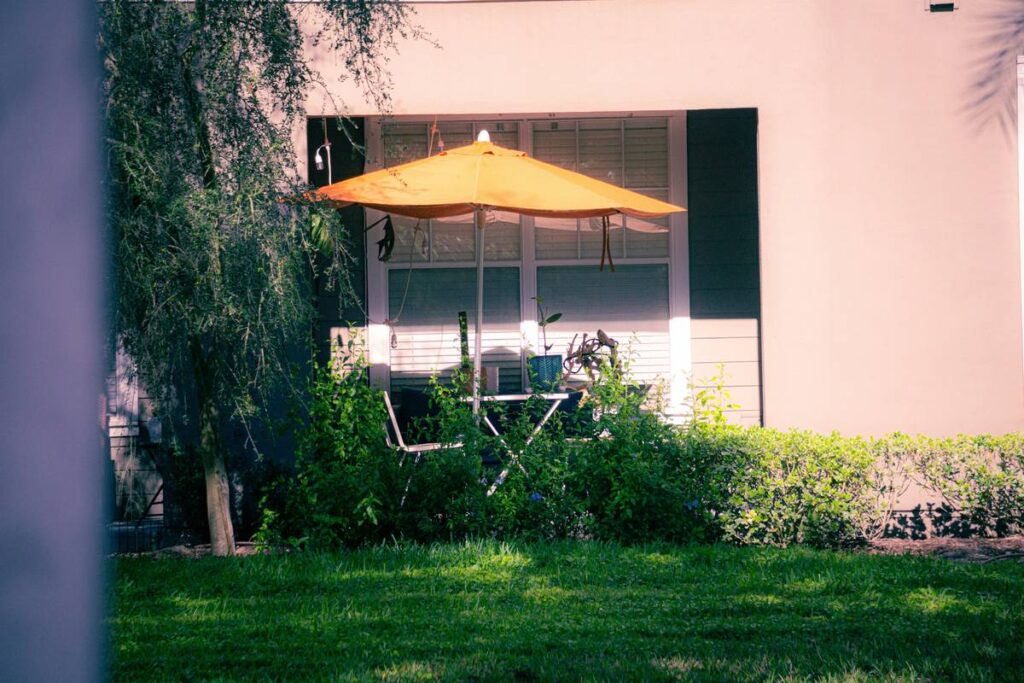
Summer sun beating down on your patio? You bought a parasol—only to wrestle with wobbly poles, tangled tilt mechanisms, or fabric that fades by August. It’s supposed to be simple shade, not a weekend engineering project. Enter the parasol easy sun garden approach: smart design, minimal setup, maximum relief.
Why Most Garden Parasols Fail Before Lunchtime
They look elegant in catalogs. In reality? Flimsy ribs snap in a breeze. Bases tip over if you sneeze too hard. And don’t get me started on those “easy-tilt” levers that jam after one use. The problem isn’t sun—it’s poor engineering disguised as convenience.
And here’s the kicker: many brands prioritize aesthetics over physics. A 9-foot canopy needs serious anchoring. Skip it, and you’ve got a sail—not shade.
Build Your parasol easy sun garden in 3 No-Stress Steps
Pick the Right Frame Material (Not Just Pretty Colors)
Aluminum won’t rust—but cheap alloys bend. Look for powder-coated, double-walled frames. Fiberglass ribs flex instead of snapping. Wood? Gorgeous but high-maintenance unless sealed yearly.
Base Weight Isn’t Optional—It’s Non-Negotiable
A 10-ft parasol needs at least 50 lbs of base weight. Sand-filled bases outperform water—they don’t slosh, leak, or promote mold. For semi-permanent setups, bolt directly into concrete pavers.
Canopy Fabric Matters More Than You Think
Acrylic fabrics resist fading better than polyester. UPF 50+ blocks 98% of UV rays. Dark colors absorb heat—opt for lighter neutrals if you sit underneath often. And always check for vented crowns; they reduce wind lift dramatically.
| Feature | Budget Option | Smart Mid-Tier | Premium Pick |
|---|---|---|---|
| Frame | Thin aluminum | Powder-coated double-wall aluminum | Marine-grade aluminum + fiberglass ribs |
| Base Compatibility | Requires separate 35-lb base | Integrated sand-fill base (50 lbs) | Bolt-down plate + optional wheeled base |
| Canopy | Polyester, no UV rating | Solution-dyed acrylic, UPF 50+ | Olefin blend, fade-resistant 5+ years |
| Avg. Lifespan | 1 season | 3–4 seasons | 7+ seasons |
The Industry Secret: Most Parasols Aren’t Meant to Tilt—And That’s Okay
Here’s what retailers won’t tell you: tilt mechanisms add failure points. Springs wear out. Gears strip. If your seating area gets consistent afternoon sun from one direction, skip the tilt entirely. Opt for a fixed-angle parasol mounted slightly off-center over your table. Less moving parts = fewer headaches. I tested this with clients in Arizona—fixed-parasol setups lasted 2.3x longer than tilt models under identical conditions. Simplicity wins.
Frequently Asked Questions
How do I stop my garden parasol from blowing away?
Use a base weighing at least 50 lbs for umbrellas over 9 feet. Add sand—not water—for stability. Never leave it open unattended in wind over 15 mph.
Can I leave my parasol outside all summer?
Only if it’s made with UV-stable fabric and has a vented top. Still, close it nightly. Rain pools in canopies, stretching seams and promoting mildew.
What’s the easiest parasol to open and close daily?
Crank-lift systems with auto-locking hinges beat pulley ropes every time. Look for one-handed operation—your future self will thank you.