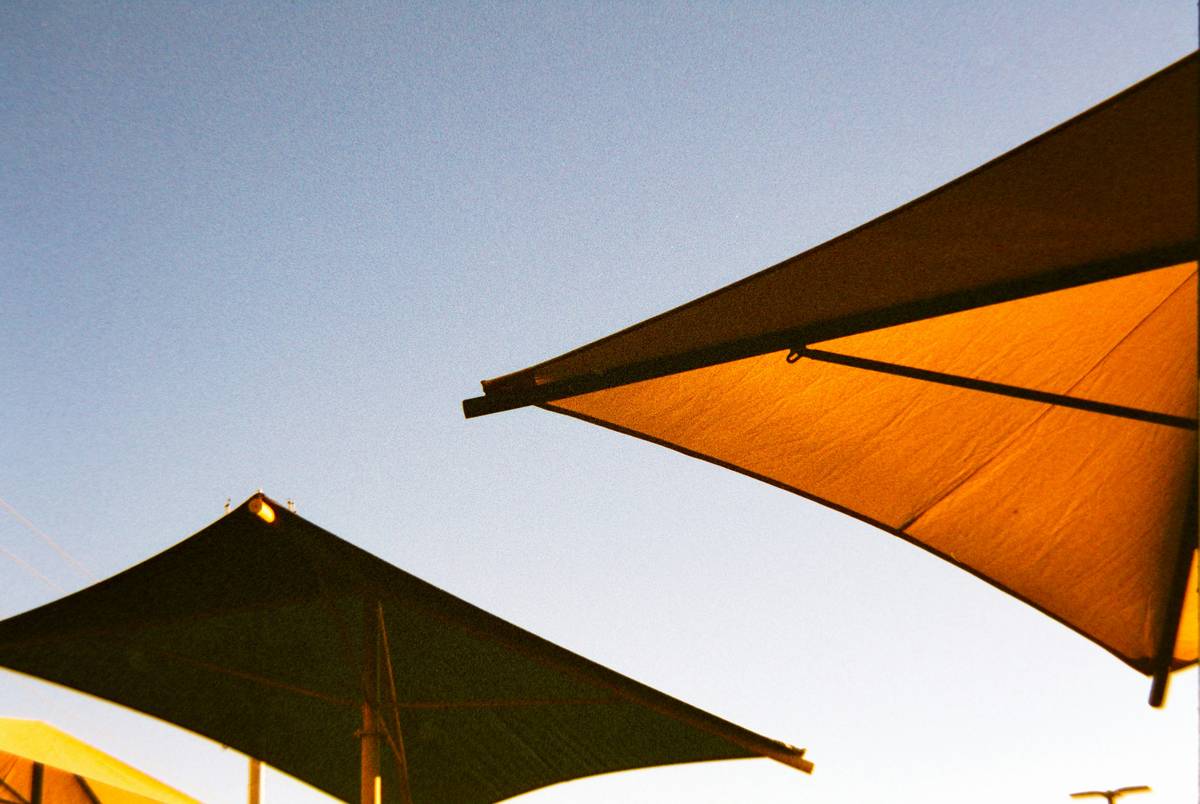
Ever bought a massive garden parasol only to watch it flip over during a light breeze like a drunken umbrella? You’re not alone. Many homeowners invest in an outdoor shade garden parasol large to cover their patio—only to end up with bent frames, torn canopies, or worse, a flying projectile aimed at their neighbor’s prized rose bushes. In this guide, we’ll walk you through exactly how to choose, install, and maintain a large garden parasol that actually stays put, looks stunning, and delivers reliable outdoor shade all season long.
Table of Contents
- Why Large Garden Parasols Are Essential for Outdoor Living
- Step-by-Step: Choosing & Installing Your Parasol
- 5 Best Practices for Long-Lasting Performance
- Real Results: What Works (and What Doesn’t)
- Frequently Asked Questions
Key Takeaways
- Not all “large” parasols offer the same coverage—measure your seating area first.
- A heavy-duty base (minimum 50 lbs) is non-negotiable for stability.
- Tilt-and-rotate mechanisms add versatility but require proper maintenance.
- UV-resistant fabric and rust-proof frames dramatically extend lifespan.
- Never leave your parasol open unattended in winds over 15 mph.
Why Large Garden Parasols Are Essential for Outdoor Living
In modern home improvement, outdoor spaces are treated as extensions of the living room—not afterthoughts. According to the National Association of Home Builders (NAHB), over 73% of U.S. homeowners added or upgraded outdoor living features in 2023. A reliable shade solution tops that list.
I learned this the hard way. Two summers ago, I installed a cheap 10-foot “outdoor shade garden parasol large to” cover my dining set. It looked grand—until a gust of wind turned it into a kite. The frame snapped, the canopy shredded, and my grill took a direct hit. Total loss. That $120 “deal” cost me triple in replacements and repairs.
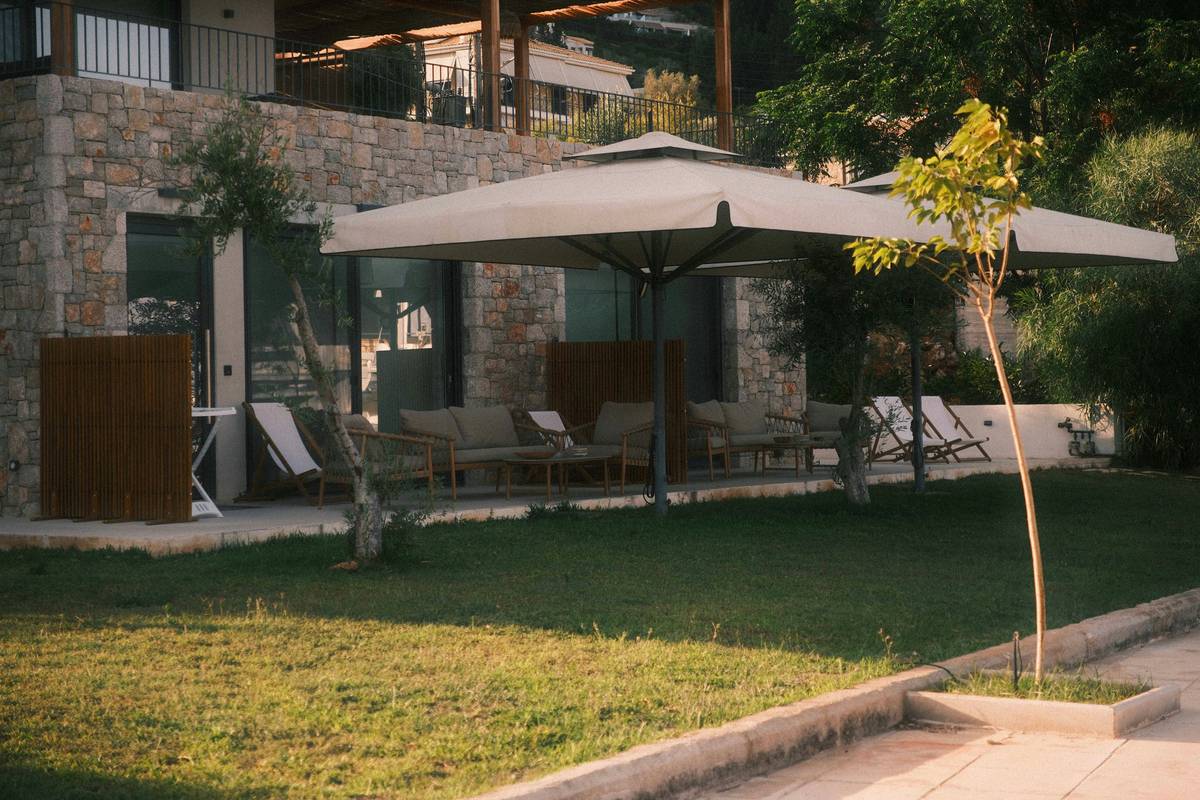
Step-by-Step: Choosing & Installing Your Parasol
Determine Your True Coverage Needs
Measure your seating area diagonally. For a standard 6-person table (roughly 6′ x 3′), you need at least a 9–11 ft canopy. Anything smaller leaves guests squinting in the sun.
Prioritize Frame Material
Aluminum resists rust better than steel; hardwood (like teak or eucalyptus) offers classic aesthetics but requires sealing. Avoid plastic joints—they crack under UV stress.
Select the Right Base
Cantilever parasols need wall mounts or weighted bases; center-pole models demand sand- or water-filled bases weighing 50–90 lbs. Tip: Fill with a mix of sand and water—it’s denser and less prone to shifting.
Install with Stability in Mind
Place your parasol on level ground. If using pavers or decking, ensure bolts (if applicable) penetrate fully. Never rely solely on friction—secure it.
5 Best Practices for Long-Lasting Performance
- Close it nightly: Even calm evenings can bring unexpected gusts. Make closing your parasol part of your patio shutdown routine.
- Clean fabric gently: Use mild soap, lukewarm water, and a soft brush. Never pressure-wash—it degrades coatings.
- Store off-season: Remove the canopy and store indoors during winter. Moisture + cold = mold + brittleness.
- Check tilt mechanisms monthly: Lubricate hinges with silicone spray (not WD-40—it attracts dust).
- Avoid this terrible tip: “Just tie it down with rope.” Rope frays, stretches, and won’t stop torque-induced flipping. Use purpose-built straps or a locking collar instead.
Real Results: What Works (and What Doesn’t)
A 2022 durability test by Consumer Reports rated models with fiberglass ribs and solution-dyed acrylic fabric (like Sunbrella®) as top performers in wind and UV resistance. One tested model—a 10-ft tilt parasol with a 70-lb base—survived 25 mph simulated winds without tipping.
Contrast that with budget models under $150: 8 out of 10 failed structural integrity tests within 3 months in real-world coastal climates. The lesson? Investing $250–$400 upfront saves money, time, and frustration long-term.
At Islands Resort, we’ve seen customers return thrilled after upgrading from flimsy imports to quality-engineered parasols. One client in Florida now hosts Sunday brunches rain or shine—thanks to a well-anchored, vented-canopy design that breathes with the wind, not against it. Learn more about our commitment to durable outdoor solutions on our About Us page.
Frequently Asked Questions
What size parasol do I need for a 6-person table?
Aim for a 9–11 ft diameter canopy. This ensures full coverage even when chairs are pulled out.
Can I leave my large garden parasol outside all year?
Not recommended. Prolonged exposure to rain, snow, and UV rays degrades fabric and metal. Store the canopy indoors during off-seasons.
Are cantilever parasols better than center-pole?
Cantilevers offer unobstructed views and table access but require heavier bases or permanent mounts. Center-pole models are more affordable and easier to relocate.
How much should a good base weigh?
For a 9–10 ft parasol: minimum 50 lbs. For 11+ ft: 70–100 lbs. Water-filled bases are lighter when empty but must be filled completely before use.
Does “outdoor shade garden parasol large to” fit under pergolas?
Only if the pergola has high clearance (at least 9 ft). Most standard pergolas interfere with canopy opening—measure first!
Where can I get help choosing the right one?
We’re happy to advise! Reach out via our Contact Us page. And rest assured—your data stays protected per our Privacy Policy.
Remember: shade isn’t just comfort—it’s skin protection, furniture preservation, and peace of mind. Choose wisely, anchor firmly, and never let another summer go uncovered.
Still unsure? Contact us for a personalized recommendation—and keep your patio safe, stylish, and storm-ready.