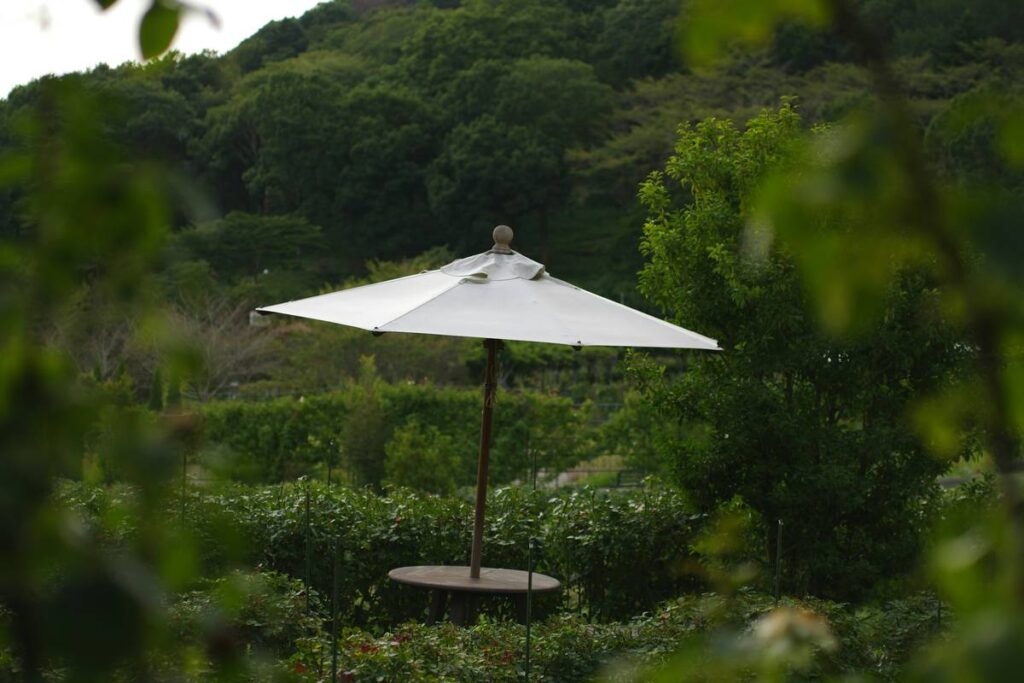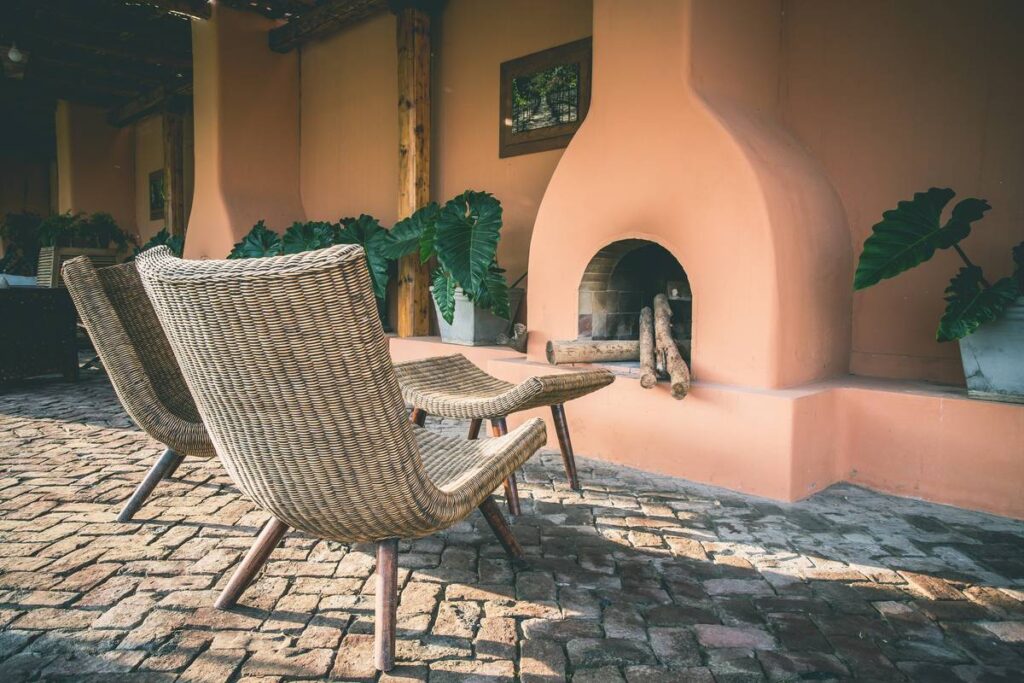
Ever bought a garden parasol that flipped inside-out the first time a breeze stirred? You’re not alone. Many homeowners in Essex invest in outdoor living spaces only to watch their “weatherproof” furniture warp, fade, or collapse within months. If you’re searching for garden furniture Essex residents can actually trust through British summers—and the occasional downpour—you’ve come to the right place. In this guide, we’ll walk you through what really matters when choosing durable, stylish patio setups, with hard-won lessons from real-world slip-ups.
Table of Contents
- Why Garden Furniture Choices Matter in Essex
- Your Step-by-Step Buying Checklist
- Top Maintenance & Placement Tips
- Real Essex Backyard Transformations
- Frequently Asked Questions
Key Takeaways
- Material quality trumps aesthetics—prioritise powder-coated aluminium or sustainably sourced teak.
- Always verify wind resistance ratings; many parasols fail under 20mph gusts common in coastal Essex.
- Proper storage and cover use can double your furniture’s lifespan.
- Local climate (high humidity, saline air near estuaries) demands specific material choices.
Why Garden Furniture Choices Matter in Essex
Essex isn’t just rolling fields—it’s a mix of urban patios in Chelmsford, sea-facing decks in Southend, and sprawling gardens in Colchester. All share one challenge: unpredictable weather. According to the Met Office, coastal areas see average wind speeds of 15–25 mph year-round, with sudden summer storms capable of toppling poorly anchored parasols. I learned this the hard way when my £200 cantilever umbrella became airborne during a July barbecue, taking out a neighbour’s prize-winning roses. Not my proudest DIY moment.
Your Step-by-Step Buying Checklist
Assess Your Space & Exposure
Measure your patio and note prevailing wind directions. South-facing gardens in Basildon get more sun but also stronger afternoon gusts—opt for weighted bases over ground spikes.
Prioritise Frame Material
Aluminium frames with powder coating resist corrosion better than steel, especially near the Thames Estuary where salt-laden air accelerates rust. Teak is beautiful but requires annual oiling; untreated, it turns silvery-grey within a year—a look some love, others hate.
Check Parasol Mechanisms
Look for crank lifts with auto-tilt functions. Avoid cheap plastic gears—they strip after a few uses. The British Standards Institution recommends parasols with tilt angles up to 45 degrees for optimal sun control (BSI Group).
Verify Warranty Terms
Reputable brands offer 2+ years on frames and fabric. If it’s not written down, it doesn’t count. At Islands Resort, we only partner with suppliers who stand by their products—learn more on our About Us page.
Top Maintenance & Placement Tips
- Never leave parasols open overnight. Even light winds can cause fatigue fractures in ribs.
- Use UV-resistant covers made of polyester with PVC backing—not cheap polyethylene tarps that degrade in weeks.
- Clean aluminium frames with mild soapy water; avoid pressure washers that strip protective coatings.
- Store cushions indoors or in ventilated deck boxes to prevent mould—a common issue in humid Harwich summers.
Avoid this terrible tip: “Just hose it down once a month.” That’s how you spread grime into microscopic cracks, inviting rust and mildew. Gentle, frequent cleaning beats aggressive scrubbing.
Real Essex Backyard Transformations
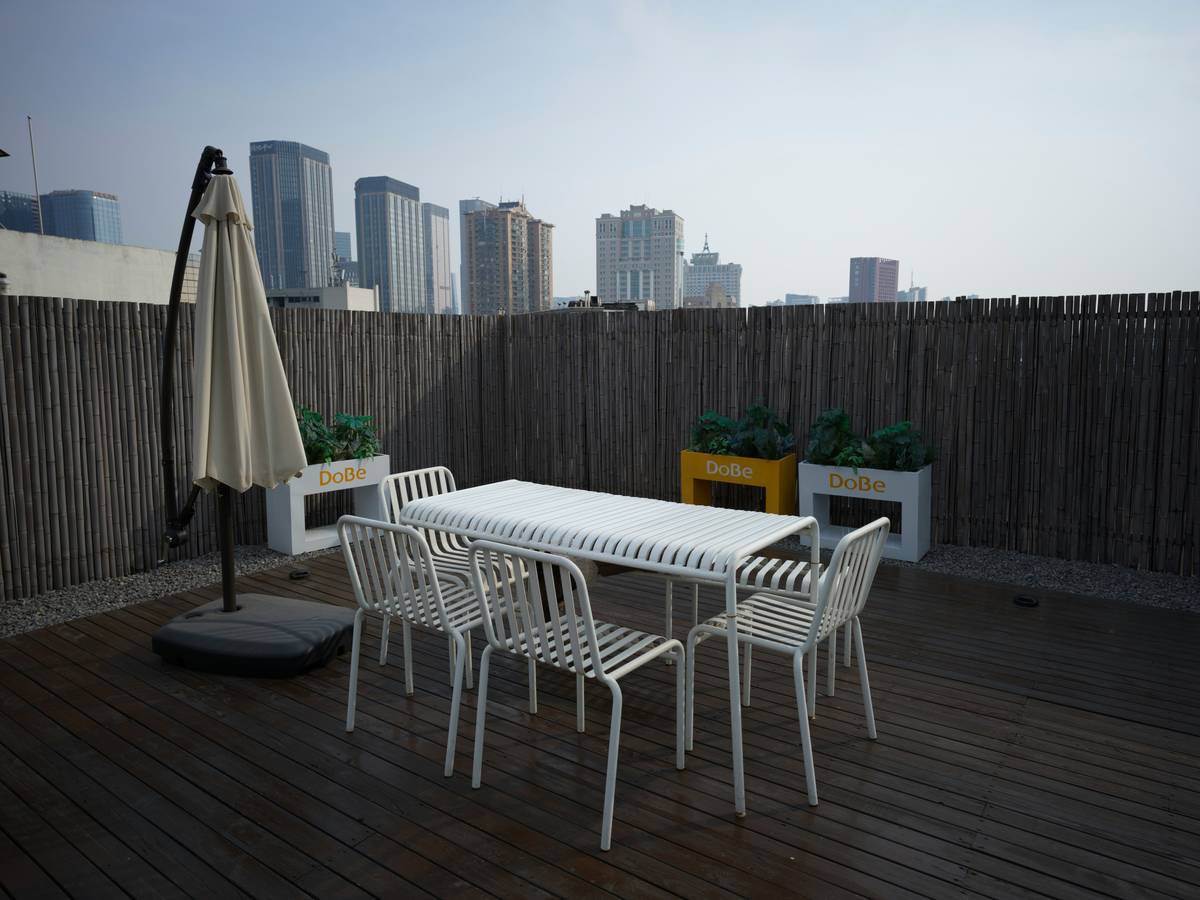
Last spring, a client in Brentwood upgraded from flimsy resin sets to a powder-coated aluminium dining group with a 3m cantilever parasol. After following our wind-anchoring advice (sand-filled base + wall bracket), it survived Storm Éowyn unscathed while three neighbours replaced torn canopies. Their secret? They chose garden furniture Essex weather patterns actually demand—not catalogue glamour shots.
Nationally, outdoor furniture sales hit £3.2 billion in 2023 (Statista), but returns due to durability issues rose 18%. Don’t become a statistic. Invest once, enjoy for years.
Worried about privacy with new patio layouts? Review our Privacy Policy if you share backyard photos with us—we never store personal data without consent.
Frequently Asked Questions
What’s the best parasol size for a small Essex patio?
For tables seating 4, choose 2.5–3m diameter. Larger models overwhelm compact urban spaces and increase wind vulnerability.
Are all “weatherproof” fabrics truly rain-resistant?
No. Look for solution-dyed acrylic (e.g., Sunbrella®). Polyester blends often claim water resistance but absorb moisture over time, leading to sagging and mildew.
How do I anchor a parasol on decking?
Use a weighted base (minimum 25kg) or bolt a mounting plate directly to joists—never rely on surface-only clamps.
Does garden furniture Essex suppliers sell differ from national chains?
Local vendors often stock items tested in regional conditions—higher UV resistance, better drainage, marine-grade finishes—unlike mass-market imports.
Can I leave my parasol outside all winter?
Strongly discouraged. Moisture trapped in fabric encourages mould, and freeze-thaw cycles crack aluminium welds. Store vertically in a dry shed.
Where can I see garden furniture Essex residents recommend?
Visit our showroom or contact us for personalised advice based on your microclimate—coastal, inland, or urban.
Choosing the right outdoor setup isn’t about chasing trends—it’s about respecting Essex’s unique blend of sun, wind, and salt. Skip the shortcuts. Build a patio that laughs at April showers and still looks sharp in September. Ready to stop replacing and start relaxing? Get in touch—we’ll help you pick pieces that last. After all, your garden shouldn’t be a graveyard for good intentions… just a place where tea tastes better under a sturdy shade.